Why a well-stocked pantry matters
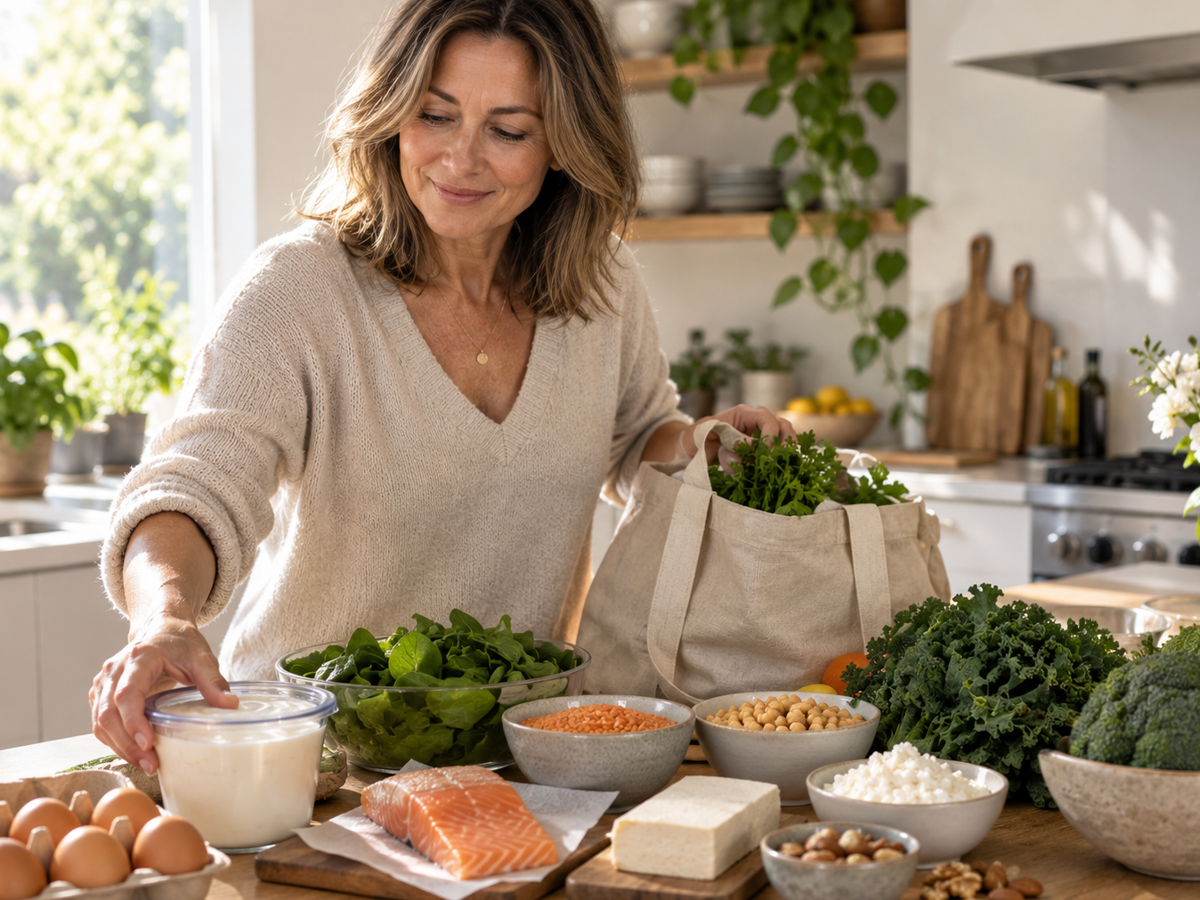
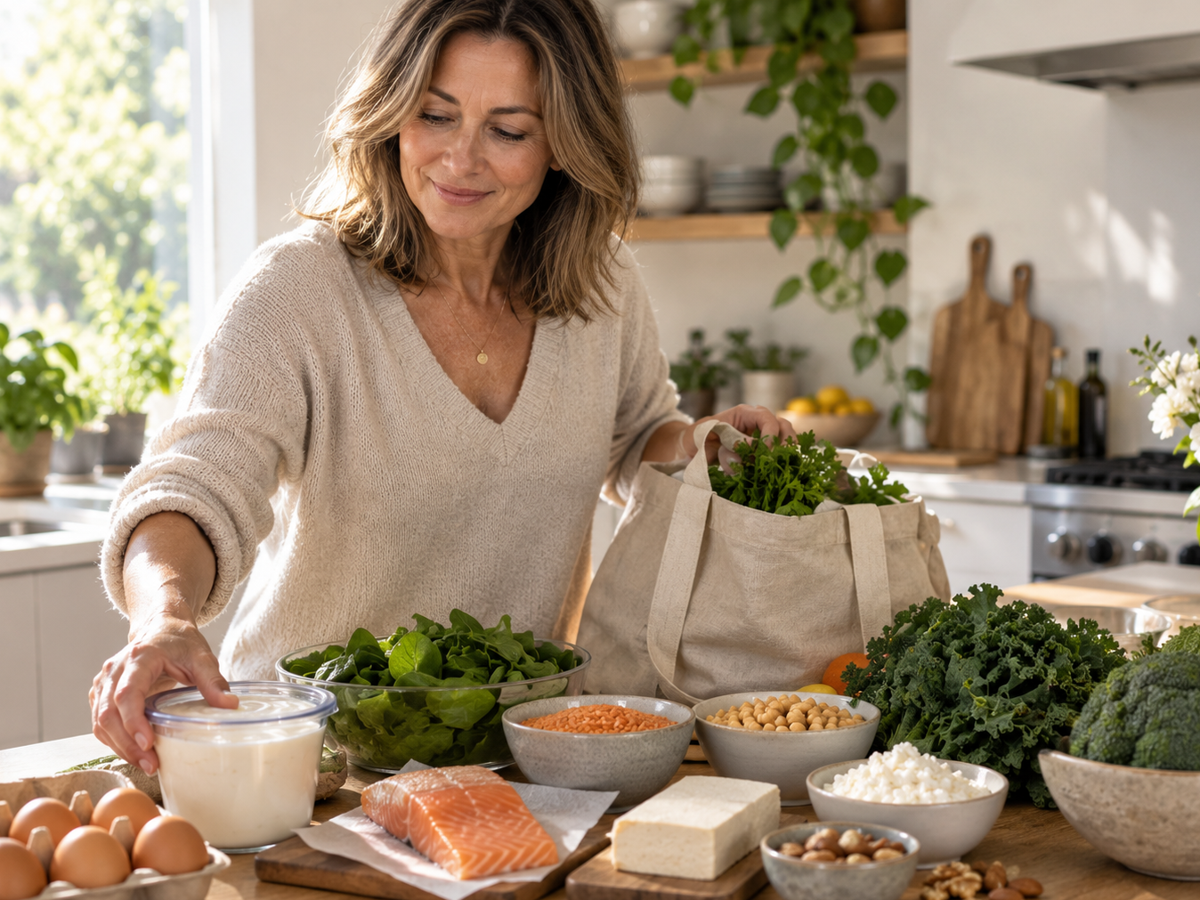
Having the right foods at home makes it easier to cook nourishing meals, avoid ultra-processed options and support your long-term health. These 15 anti-inflammatory staples are versatile, easy to find and work in breakfasts, lunches, dinners and snacks.
There is no single official “anti-inflammatory diet,” and no individual food can switch inflammation off. The useful approach is a Mediterranean-style pattern built around vegetables, fruit, whole grains, legumes, nuts and seeds, fish and seafood, healthy unsaturated fats, herbs and spices.
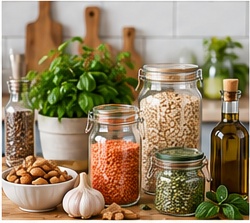
The 15 anti-inflammatory pantry staples
Keep these foods at home and you’ll always have the building blocks for simple, nutritious meals.

Extra-virgin olive oil
A versatile healthy fat for salad dressings, roasted vegetables, grain bowls, beans and simple sauces.

Oats
An easy breakfast base for porridge, overnight oats, baked breakfasts and simple savoury bowls.

Lentils
A convenient source of plant protein and fibre for soups, salads, tomato dishes and grain bowls.

Chickpeas
A fast cupboard-to-dinner ingredient for salads, soups, roasted vegetables, hummus and warm bowls.

Beans
Keep varieties you enjoy; they add fibre and plant protein and make simple meals more satisfying.

Walnuts
A source of unsaturated fat and plant omega-3 ALA, useful over oats, salads and vegetables.

Chia or ground flaxseed
Easy additions to oats, yoghurt, smoothies and salads that provide fibre and plant omega-3 fats.

Quinoa
A versatile whole-grain-style seed that works in warm bowls, salads and as a base for vegetables and legumes.

Canned sardines or mackerel
A fast source of omega-3 fats that works with whole-grain toast, salad, beans or roasted vegetables.

Canned tomatoes
A practical base for lentil soup, bean stews, shakshuka-style dishes and quick sauces.

Turmeric
A useful flavour and colour builder for soups, lentils, roasted vegetables and rice dishes—not a treatment.

Ginger
Fresh or dried ginger adds flavour to vegetables, fish, soups and stir-fries; fresh ginger can be frozen.

Cinnamon
A simple way to add flavour to oats, apples and baked dishes without relying on lots of added sugar.

Green or black tea
An easy pantry beverage with polyphenols that can replace some sugary drinks if it suits your routine.

Dark chocolate
A small amount of high-cocoa dark chocolate can fit an otherwise balanced pattern; it is still calorie-dense.
The 5-minute pantry check
Once a week, take five minutes to go through your pantry. Use this quick checklist to make sure you have the essentials on hand.
Take a quick look at your staples.
Refill items that are running low.
Think of 2–3 meals you can make.
Focus on versatile, whole foods.
Healthy meals become easier.
What to buy less often
Some foods can still be part of a healthy diet, but they are best enjoyed in moderation.
White bread, pastries and many processed cereals.
Sweets, sugary drinks and desserts.
Chips, crackers and other ultra-processed foods.
One important distinction
“Anti-inflammatory” is a useful description of a dietary pattern, not a treatment plan. If you have a diagnosed inflammatory condition, significant digestive symptoms, diabetes, kidney disease or another condition that affects what you should eat, individual advice from a qualified clinician or registered dietitian can be more appropriate than a generic pantry list.
[1] Harvard Health — Anti-inflammatory diet: Foods that help reduce chronic inflammation.
[2] Harvard T.H. Chan School of Public Health — Mediterranean Diet.
[3] Cleveland Clinic — Anti-Inflammatory Diet.
[4] Mayo Clinic Health System — Groceries to ease chronic inflammation.
General information only; this article is not a diagnosis or medical treatment.