

NUTRITION · RECIPES · 45+

Anti-Inflammatory Recipes & Kitchen Essentials

Learn which foods to build around, six repeatable dinner formulas, a 45-minute kitchen reset, and which tools can genuinely save time — without turning dinner into a wellness project.

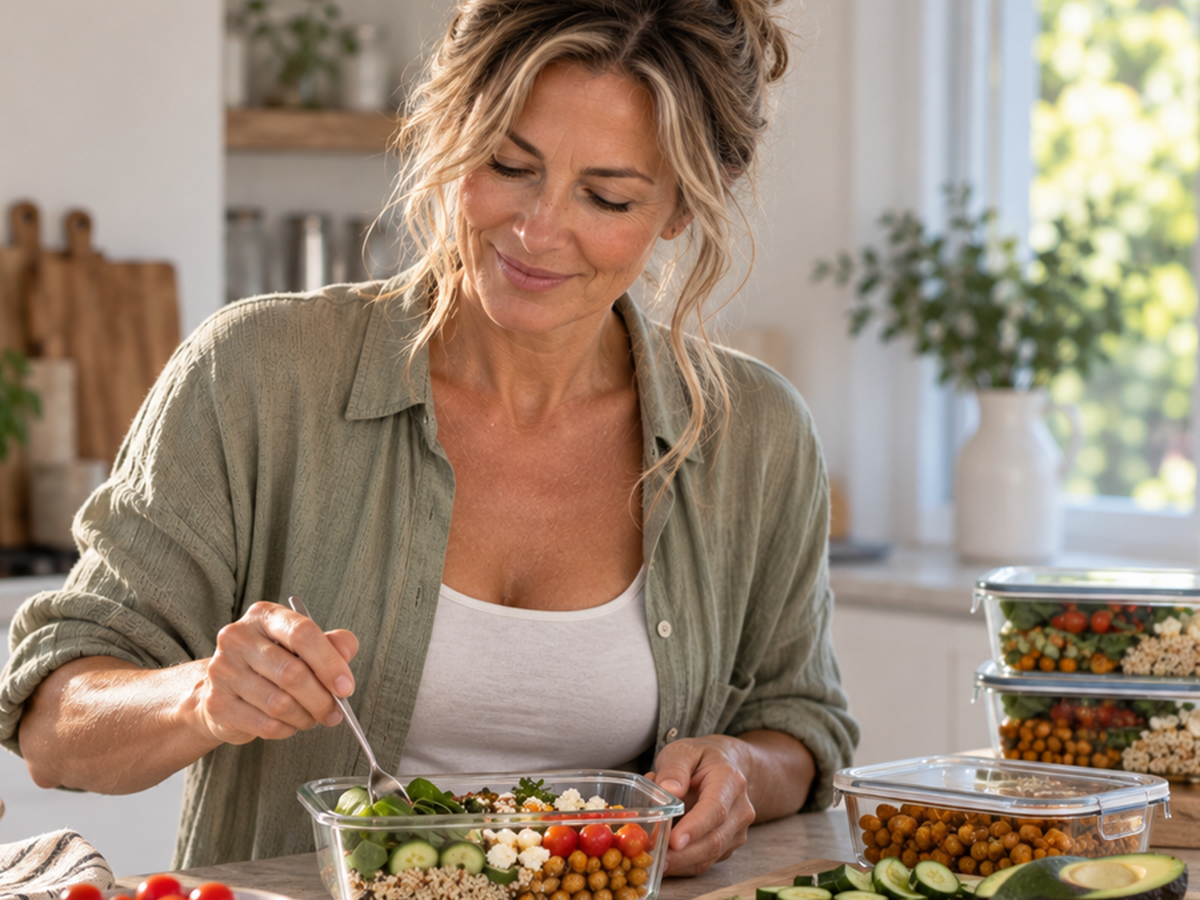
Woman enjoying a colorful, nutrient-dense meal in a bright kitchen
THE GOAL

Make the better choice the easy choice.

Anti-inflammatory eating is a pattern, not a miracle ingredient. The goal is to make nutrient-dense meals easier to cook, repeat and actually enjoy.

Food should support your life — and still be enjoyable.
Woman preparing fresh vegetables and a balanced dinner in a bright kitchen
GO DEEPER · NUTRITION

Easy Anti-Inflammatory Dinners for Women Over 45

Five repeatable dinner formulas built around vegetables, legumes, whole grains, fish, olive oil and simple cooking habits.

READ THE ARTICLE →
Woman choosing blueberries and fresh produce in a grocery store
GO DEEPER · NUTRITION

Anti-Inflammatory Grocery List: What to Buy Each Week

A practical shopping list for building a Mediterranean-style kitchen without restrictive rules or miracle foods.

READ THE ARTICLE →
Woman preparing fresh pantry ingredients and healthy staples in a bright kitchen
GO DEEPER · NUTRITION

The Anti-Inflammatory Pantry: 15 Foods Worth Keeping at Home

A practical pantry reset built around oats, legumes, whole grains, nuts, seeds, fish, olive oil, herbs and spices.

READ THE ARTICLE →

What “anti-inflammatory” eating actually means

The useful version of anti-inflammatory eating is surprisingly ordinary. Instead of building meals around powders, restrictive rules or one “superfood,” build them around minimally processed foods that tend to feature prominently in Mediterranean-style eating patterns: vegetables, fruit, legumes, whole grains, fish, nuts, seeds, herbs and extra-virgin olive oil.

That matters after 45 because the best eating pattern is usually the one you can sustain. You do not need a perfect menu. You need a kitchen that makes it easier to cook real food often enough that it becomes your default.

01
Make plants the visual centre of the plate. Aim for colour and variety rather than obsessing over a single “anti-inflammatory” ingredient. Leafy greens, tomatoes, peppers, broccoli, berries, citrus and herbs all make meals more interesting.
02
Use olive oil as a normal cooking ingredient. Extra-virgin olive oil works in dressings, roasted vegetables, grain bowls and simple sauces. The point is not to drink it or chase a magic dose; it is to use a quality fat naturally in meals.
03
Include omega-3-rich foods regularly. Salmon, sardines, mackerel and other oily fish are practical meal anchors. If fish is not your preference, build variety with beans, nuts, seeds and other plant foods.
04
Cook with flavour, not restriction. Garlic, ginger, turmeric, black pepper, rosemary, basil, oregano, cinnamon and citrus can make simple foods taste finished without relying on heavy sauces.
05
Reduce the ultra-processed defaults. You do not need a ban list. Simply make whole or minimally processed foods the foods that are easiest to reach for on an ordinary weekday.

Six recipe formulas worth repeating

Rather than collecting dozens of recipes, keep a few formulas and change the ingredients with the season.

01 · Sheet-pan salmon + greens + potatoesRoast salmon with broccoli, peppers or courgette and a tray of potatoes. Finish with lemon, herbs and olive oil. The same formula works with tofu or chicken.
02 · Mediterranean grain bowlQuinoa, farro or brown rice + chickpeas or grilled fish + tomatoes + cucumber + leafy greens + olives + a lemon-olive-oil dressing.
03 · Lentil tomato potCook lentils with tomatoes, onion, garlic, carrots and herbs. Add spinach at the end and serve with whole-grain bread or a spoonful of Greek yogurt.
04 · Warm vegetable + bean saladRoast vegetables, toss with white beans or chickpeas and add a sharp dressing. Toasted seeds or walnuts provide texture and a little extra staying power.
05 · Green soup + proteinBlend broccoli, spinach, peas or courgette with stock and herbs. Add beans, lentils, chicken or fish on the side rather than making the soup carry the whole meal.
06 · Yogurt, berry & seed bowlGreek yogurt or skyr + berries + walnuts or pumpkin seeds + cinnamon + a small amount of dark chocolate. Simple enough for breakfast, a snack or a light dessert.

A 45-minute anti-inflammatory kitchen reset

The trick is not to spend your weekend meal-prepping every bite. Prepare a few components that can become several different meals.

0–5 min
Choose one protein, two vegetables, one carbohydrate and one flavour system. For example: salmon + broccoli + peppers + potatoes + lemon/herbs.
5–20 min
Start the longest-cooking component. An air fryer or hot oven can handle vegetables and fish while you prepare the next part.
20–30 min
Make one dressing, pesto, chopped herb mixture or yogurt sauce. This is where a small food chopper can save more time than another large appliance.
30–40 min
Finish the cooked components and prepare a second serving combination — for example, turn the same vegetables into tomorrow’s grain bowl.
40–45 min
Pack leftovers, wash the key tools and put your oils and spices back where you can reach them. A healthy kitchen works best when the good ingredients are visible and convenient.

Build the pantry before you build the supplement shelf

A practical anti-inflammatory kitchen starts with food. Keep a few reliable ingredients available so you can make a meal without a special shopping trip.

A
Produce.
Keep fresh and frozen vegetables, leafy greens, berries, citrus, tomatoes, onions and herbs in regular rotation. Frozen vegetables are a useful shortcut, not a nutritional failure.
B
Protein.
Salmon or other oily fish, eggs, Greek yogurt, chicken, tofu, beans and lentils give you different meal directions without requiring a specialist diet product.
C
Fats & texture.
Extra-virgin olive oil, walnuts, almonds, pumpkin seeds, chia or flax can make vegetables and grains more satisfying.
D
Flavour.
Garlic, ginger, turmeric, black pepper, smoked paprika, cumin, oregano, rosemary, cinnamon and chilli let the same basic ingredients become very different meals.

Which kitchen tools actually earn their place?

We selected these products for four different friction points: roasting quickly, slow and gentle cooking, chopping/prep, and making everyday seasoning easier. None is a requirement for healthy eating. Each becomes useful only if it solves a problem you repeatedly encounter.

01 · The Fast Roaster

The Ninja Foodi MAX Dual Zone AF400EU is the convenience play. Two independent cooking zones make it practical to cook a protein and vegetables at different temperatures or timings and finish them together. That is much more relevant to this page than using an air fryer only for fries or frozen snacks.

02 · The Slow-Cook Workhorse

A heavy Dutch oven or casserole is useful for vegetable-rich stews, bean dishes, braises and tomato-based meals. You do not need a premium brand; the useful feature is steady, gentle cooking that lets simple ingredients become a complete meal.

03 · The Prep Shortcut

The WMF KULT X Zerkleinerer is for the small tasks that can derail a weekday recipe: chopping onions, garlic, herbs, nuts or vegetables, and making pesto, salsa and dressings. A compact chopper can be more useful than a large food processor if the problem is simply getting from ingredients to dinner faster.

04 · The Fresh-Seasoning Upgrade

Fresh herbs, citrus, spices and a good olive oil can make simple vegetables, fish, beans and grain bowls taste more finished. The useful principle is flavour first: make wholesome food enjoyable enough that you want to cook it again.

Keep the roles separate

You do not need all four products. The best choice depends on where your kitchen currently creates friction.

The Ninja is for speed. The WMF chopper is for prep. A good pot and fresh seasoning do not need to be premium purchases. If you already own a tool that solves one of these jobs well, skip the duplicate.

One final principle: think pattern, not miracle food

There is no single spice, oil, tea or supplement that turns an otherwise poor diet into an anti-inflammatory one. A more useful goal is to make meals progressively more plant-rich, fibre-rich, minimally processed and varied while keeping enough protein and healthy fats to make them satisfying.

And if you have a diagnosed inflammatory condition, take medication affected by diet, or have been given a therapeutic nutrition plan, treat this page as general education rather than a replacement for individualized medical advice.

Current product data: Product availability, pricing, ratings and delivery details can change on Amazon. Check the linked Amazon.de product page for the current offer before purchasing. Nutrition information on this page is general education, not medical advice.
MORE FROM BETTER AFTER 45

Keep Exploring

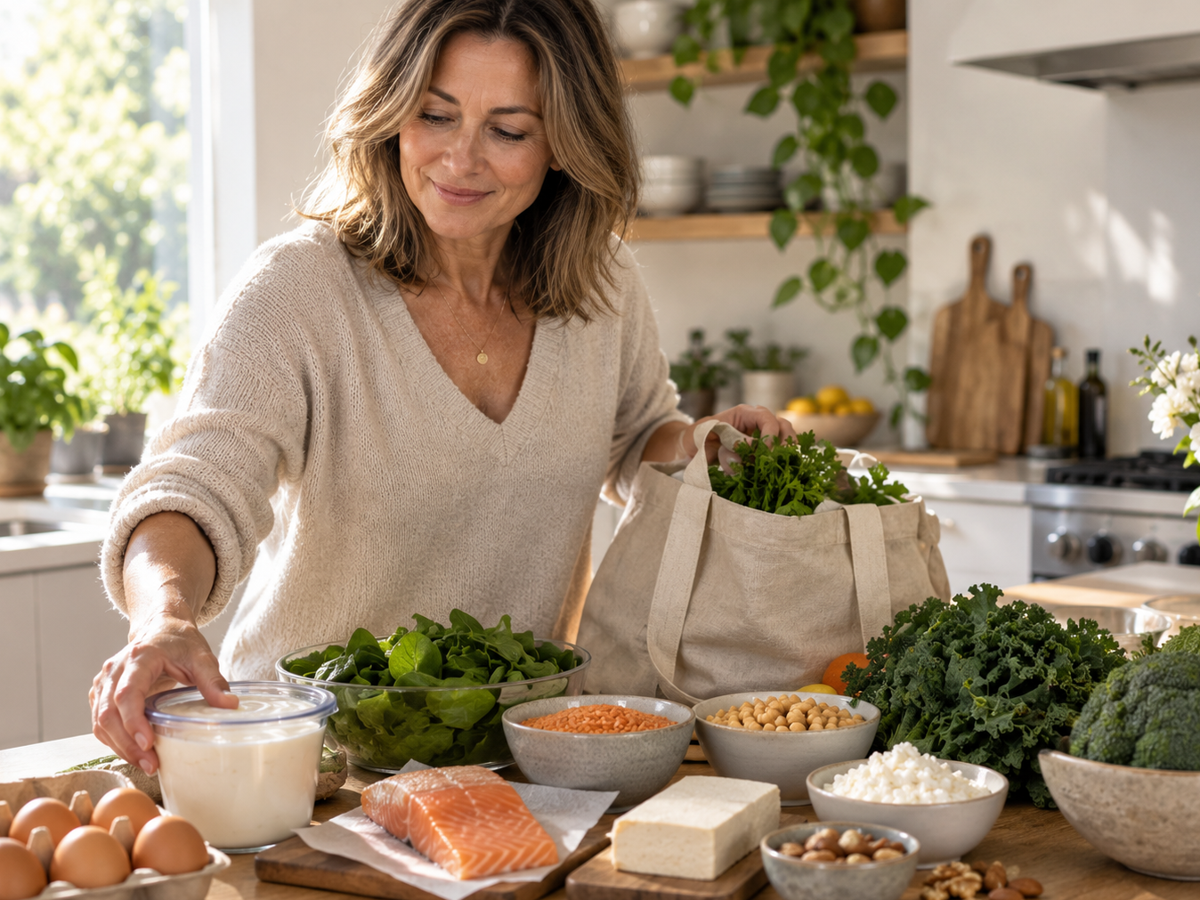
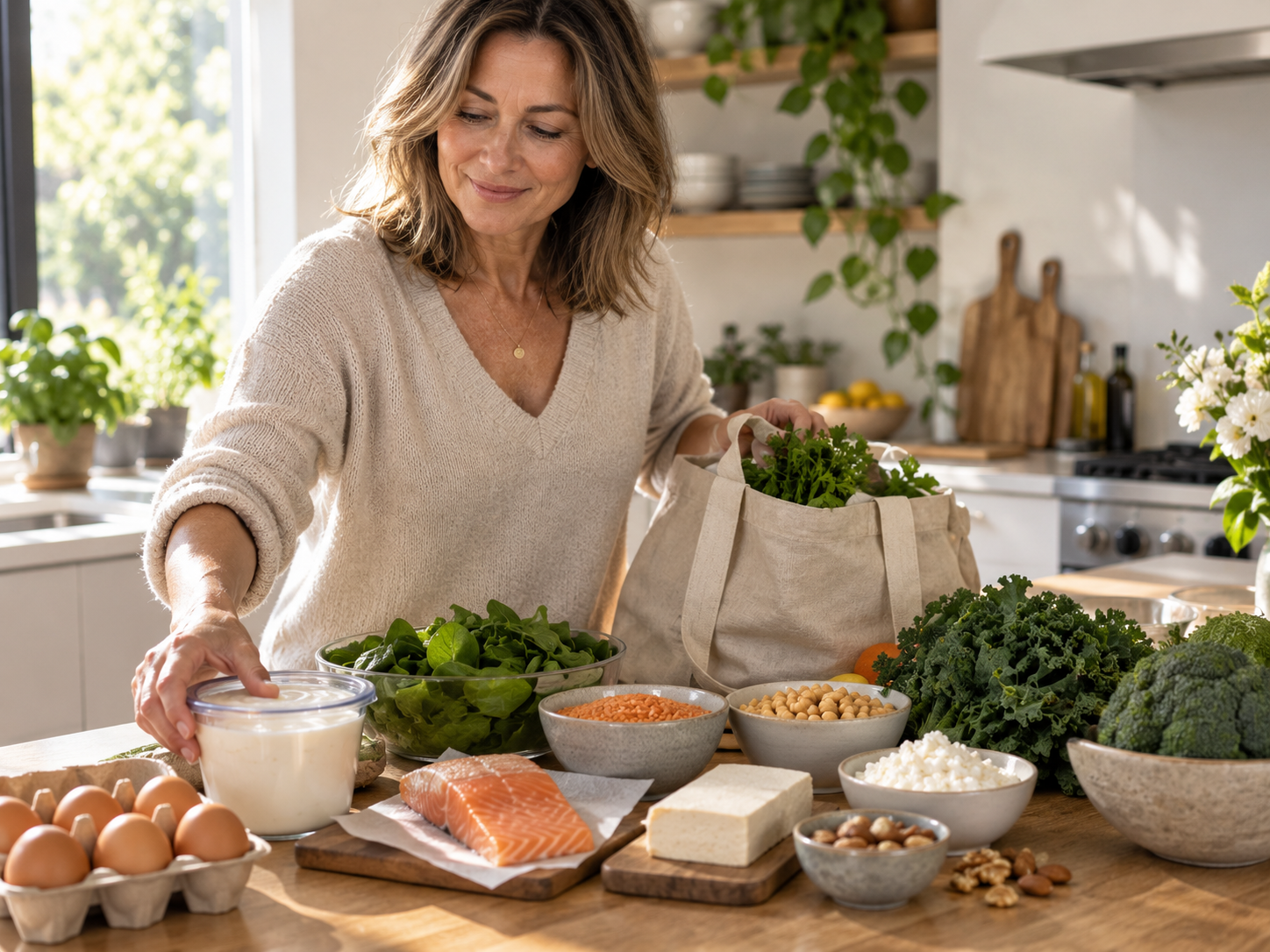
Woman preparing a colorful, protein-rich grocery haul in a bright kitchen
NUTRITION

How to Build a High-Protein Grocery List

A practical way to plan protein, produce and pantry staples without overcomplicating the week.

Woman reflecting over a cup of tea in a bright kitchen
WELLBEING

Perimenopause vs. Menopause: What's the Difference?

A practical guide to the transition, common symptoms and what changes over time.